
01
Understand the process
Learn what the program is designed to provide and what it cannot guarantee.
Addiction and destructive patterns affect more than one person. Casa Renacimiento offers families a place to ask questions, understand the rehabilitation process and prepare for healthier ways of supporting change.
Family members often feel fear, exhaustion, guilt or confusion. The first conversation can focus on what is happening and what practical step makes sense now.
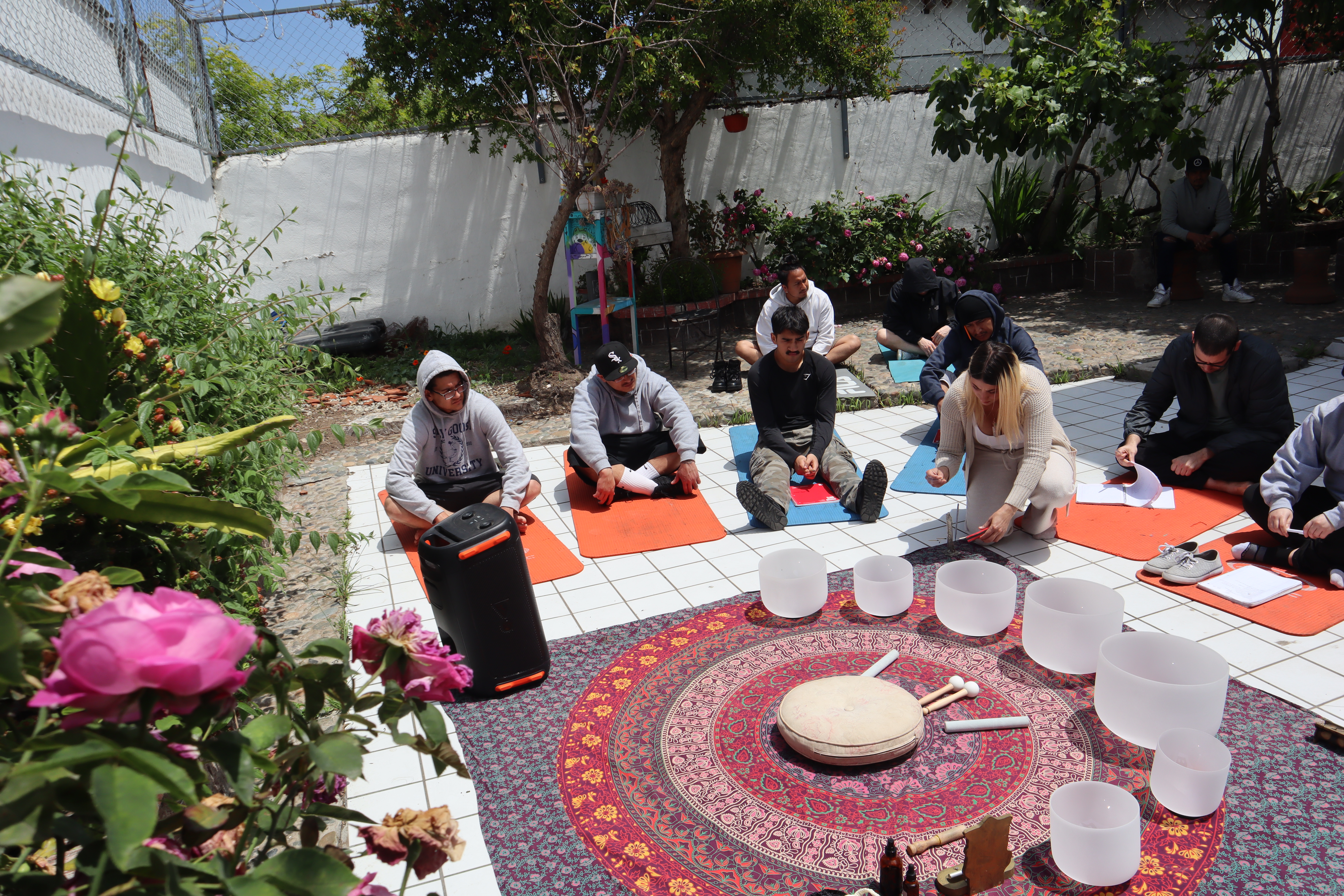
Healthy support can include listening, communicating clearly, setting limits and encouraging appropriate help while preserving each person’s responsibilities.
What families can work on
Family guidance is not about blaming relatives or asking them to solve everything. It is about understanding patterns, improving communication and preparing for decisions with greater calm and consistency.
Learn what the program is designed to provide and what it cannot guarantee.
Use direct, respectful language instead of threats, secrecy or repeated arguments.
Define what support is possible and which behaviors the family will not continue facilitating.
Recognize that relatives may also need rest, support and space to recover stability.
Discuss expectations, routines and communication before the person returns home.
Agree on practical actions so the family does not react differently in every crisis.
Family orientation
Relatives may act from love while also becoming trapped in cycles of rescuing, hiding consequences, arguing or making promises that cannot be maintained. Orientation creates space to review these patterns without judgment.
Identify recurring family responses
Separate support from taking over responsibilities
Discuss communication and realistic boundaries
Understand the purpose of the rehabilitation process
01
A boundary describes what a person will or will not participate in. It works best when it is clear, realistic, respectful and consistently followed.
How to begin
Families do not need to have every answer before contacting the center. A short description of what is happening is enough to begin asking the right questions.
Who is affected and what has changed recently
Whether there is immediate danger or urgent medical concern
What help has already been attempted
What the family needs to understand before deciding
02
Dates, recent incidents, current living situation and any known health or safety concerns can make the first conversation more useful.
During the process
The family’s role may change during rehabilitation. Communication, visits and updates should follow the center’s current policies while respecting the person’s process and everyone’s safety.
Follow agreed communication channels
Avoid negotiating around established expectations
Use updates to prepare, not to control every detail
Continue working on family routines and wellbeing
03
Waiting for one person to change before the rest of the household changes can recreate old patterns. Families can begin practicing healthier communication and consistency now.
Returning home
The return home can bring hope and anxiety. A written or clearly discussed plan can reduce uncertainty and make it easier to respond consistently when challenges arise.
Household expectations and responsibilities
Daily routine and practical goals
Communication when conflict or warning signs appear
People and services to contact for additional support
04
Families can prepare for setbacks without treating them as proof that all progress was lost. Clear next actions are more useful than panic, secrecy or blame.
A practical first contact
The first exchange should be simple, respectful and focused on the information needed to understand the situation.
Share the most relevant recent facts without needing to tell the entire history at once.
Explain whether the priority is safety, admission information, family guidance or another question.
Request clear information about suitability, availability, requirements and communication.
Decide whether to continue the evaluation, gather information or seek another service.
Frequently asked questions
These responses offer general orientation and should not replace advice tailored to the specific situation.
When an answer depends on a specific situation, contact the team directly for current information suited to the case.
Yes, a relative can request general orientation. The center can explain what information it can provide and what would require the person’s participation or consent.
There is no single phrase that guarantees agreement. Calm, concrete communication and consistent boundaries are generally more useful than threats, humiliation or promises the family cannot keep.
No. Limits can coexist with care. They clarify what support is available and what actions the family cannot continue participating in.
Do not wait for a routine admission conversation. Seek urgent medical or emergency assistance. In Mexico, call 911 when there is immediate danger.
The center should explain its communication and privacy practices before admission, including who may receive information and under what conditions.
Overdose, severe withdrawal, loss of consciousness, serious violence, medical instability or risk of self-harm requires immediate professional or emergency assistance. In Mexico, call 911 in an emergency.
You do not have to decide alone
Casa Renacimiento can explain the program, admission process and family guidance options so you can consider the next step with clearer information.